classical dance · pose detection
Learn India’s classical dances, pose by pose.
Watch a master, mirror the pose on camera, and let on-device tracking tell you exactly what to fix — finger by finger, joint by joint, with nothing leaving your device.
Classical dance·Pose detection·On-device inference·India
Bharatanatyam
Tamil Nadu
Tamil Nadu
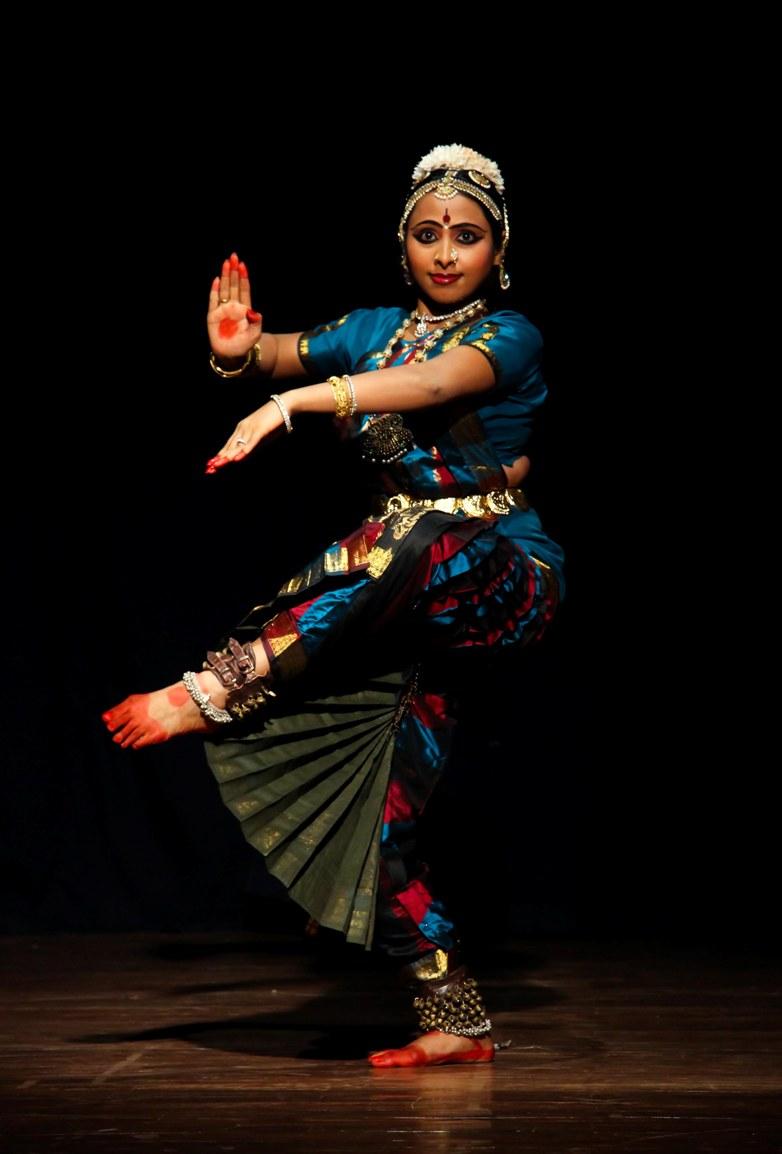
Bharatanatyam
The temple dance of Tamil Nadu
Origin
The temple dance of Tamil Nadu, sculpted on Chola temple walls and codified in the Natya Shastra.
Technique
A fixed torso, the bent-knee aramandi, and hasta mudras carrying the meaning.
Music
Carnatic ragas and talas; the nattuvanar calls the rhythm on cymbals.
Costume
A silk sari pleated like a fan, temple jewellery, and red alta on the feet.
Signature
The aramandi half-sit and the precise geometry of the hasta mudras.
Kathak
Uttar Pradesh
Uttar Pradesh
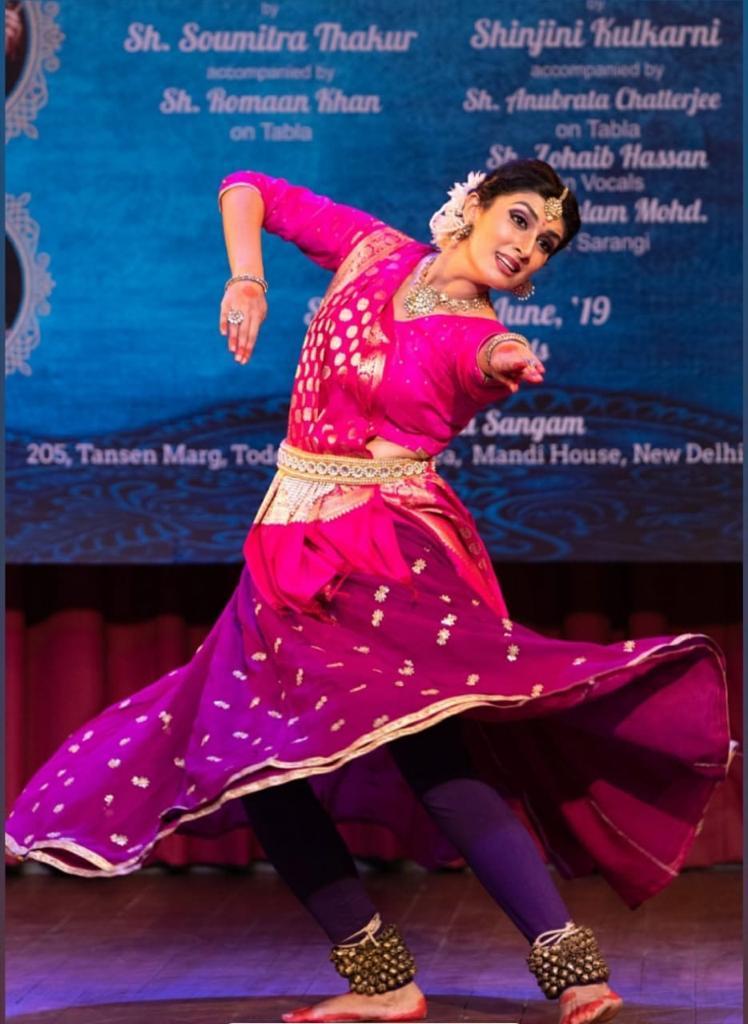
Kathak
The storytellers' dance of the north
Origin
Born of wandering kathakaars, then shaped into court art under the Mughals.
Technique
Blazing spins, ghungroo-laced footwork, and storytelling through abhinaya.
Music
Hindustani ragas and talas; the dancer recites the bols before dancing them.
Costume
A flowing angarkha or anarkali with a veil, and a hundred ghungroos.
Signature
The chakkar — a spinning turn that lands exactly on the beat.
Kathakali
Kerala
Kerala
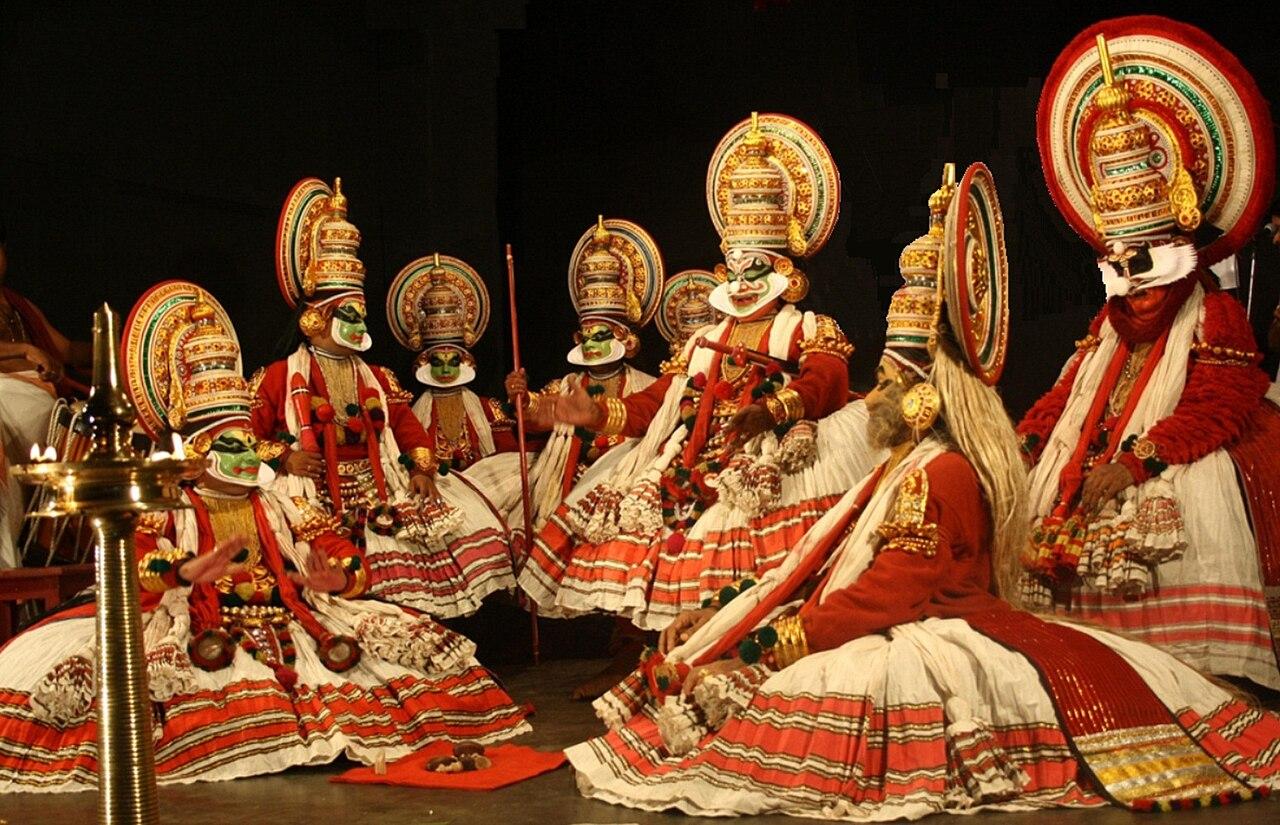
Kathakali
Kerala's painted dance-drama
Origin
A night-long dance-drama of Kerala's temples, retelling the epics.
Technique
The face and eyes speak; mudras and percussion carry the story.
Music
Chenda and maddalam drums, singers, and the ilathalam cymbal.
Costume
Elaborate face paint — green for the noble, red for the fierce.
Signature
The eye-and-brow kalasams, drawn out over a single night.
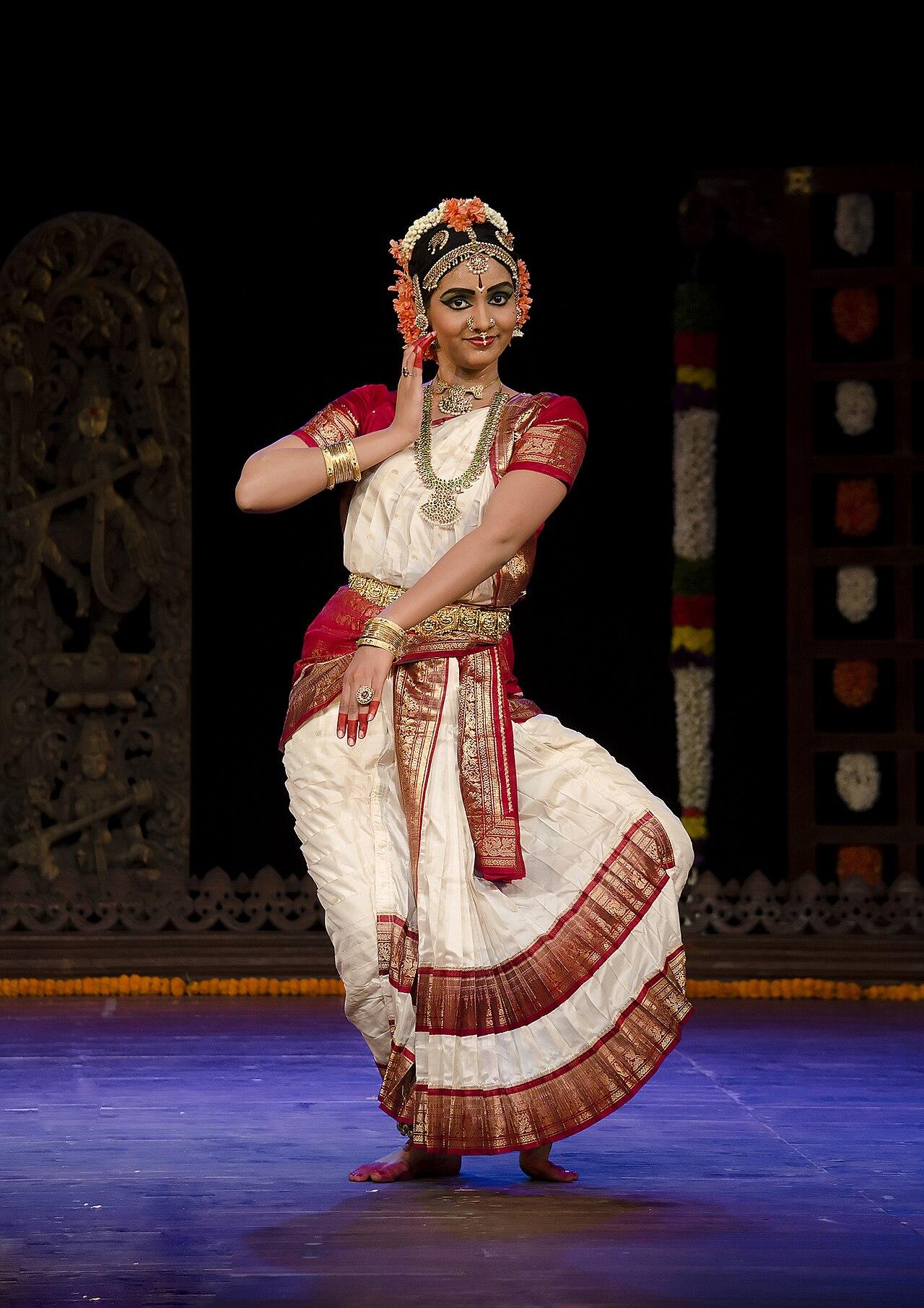
Kuchipudi
Andhra Pradesh
Andhra Pradesh
Kuchipudi
Quick-footed dance-drama of Andhra
Origin
Named for the village of Kuchipudi, where it began as Vaishnavite theatre.
Technique
Quick footwork, sharp geometry, and a dancer balanced on a brass plate.
Music
Carnatic ragas and talas, driven by mridangam and violin.
Costume
A silk sari with a fan pleat at the back and temple jewellery.
Signature
Tarangam — dancing on the rim of a brass plate with a pot on the head.
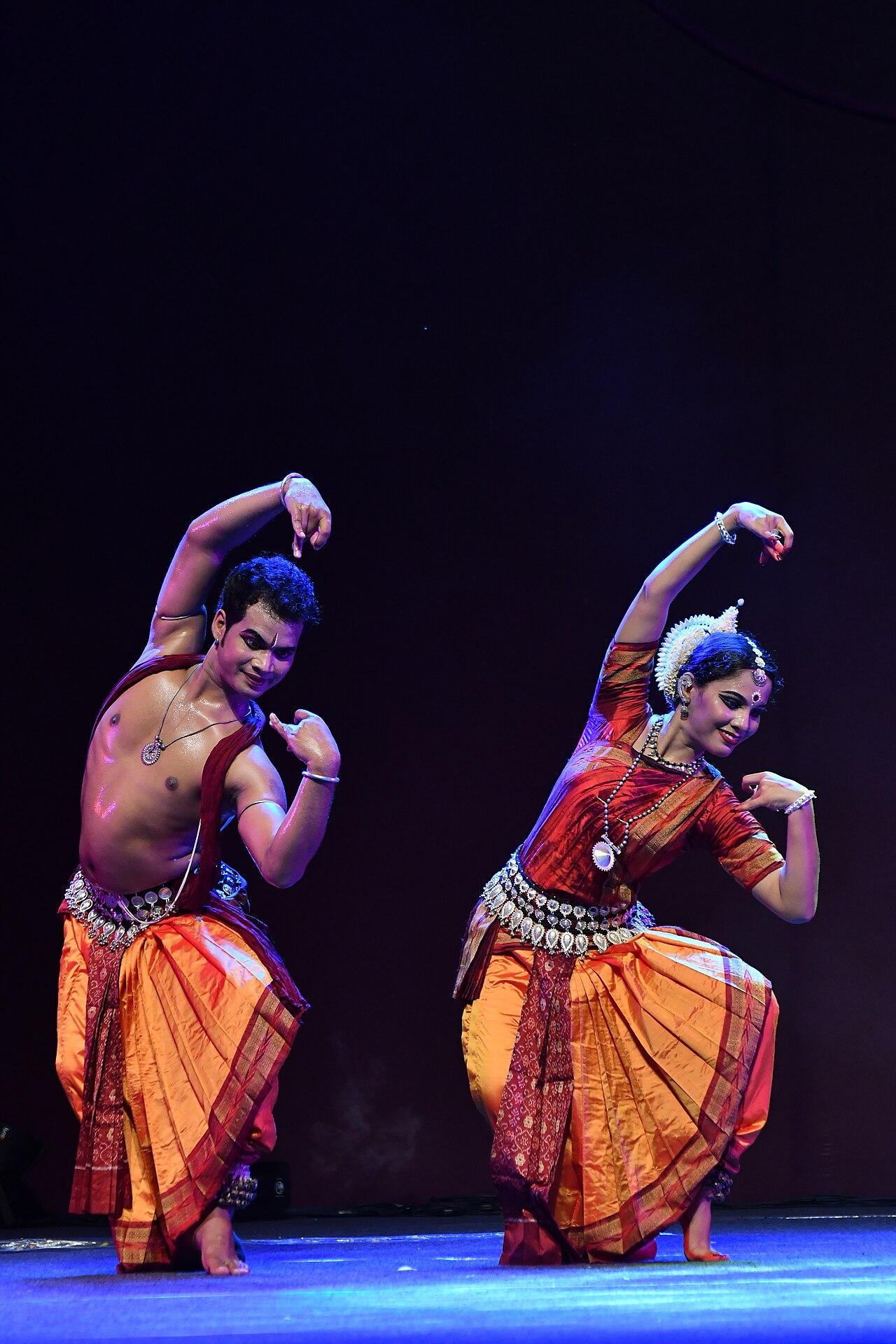
Odissi
Odisha
Odisha
Odissi
The temple dance of the tribhangi
Origin
Odisha's temple dance, once danced by the maharis of Jagannath.
Technique
Tribhangi — the three bends of head, torso and hip; poses off temple walls.
Music
Odissi ragas and talas, with pakhawaj and flute.
Costume
Silver filigree jewellery and a sari wrapped in the traditional style.
Signature
The tribhangi S-curve, frozen like a sculpture.
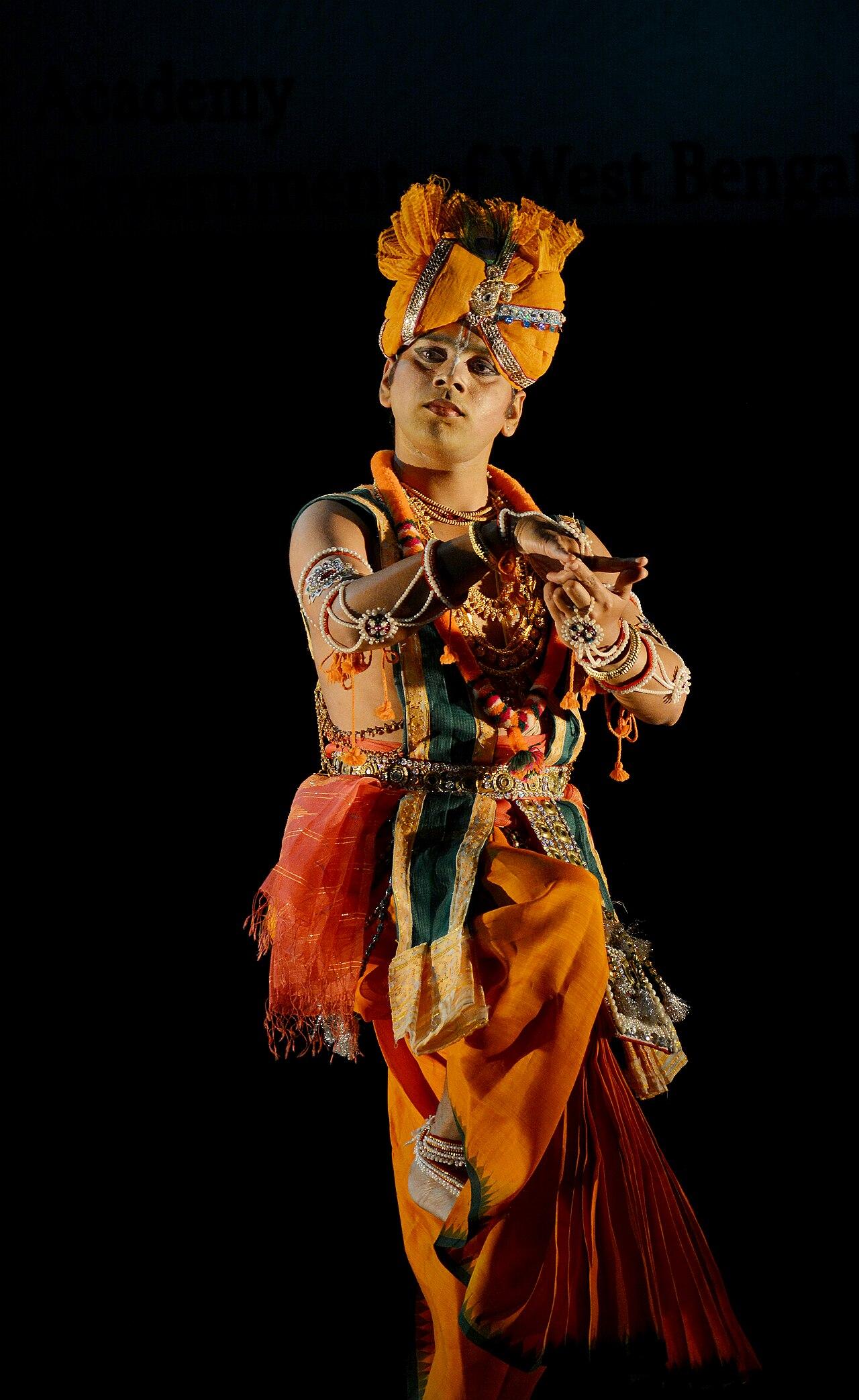
Manipuri
Manipur
Manipur
Manipuri
The lyrical Raas Leela of Manipur
Origin
A devotional retelling of Radha and Krishna's Raas Leela.
Technique
Rounded, flowing movement with no sharp angles — soft and lyrical.
Music
The pung drum and flute carry the kirtan rhythm.
Costume
The stiff, cylindrical potloi skirt with a translucent veil.
Signature
The potloi skirt, gliding like a bell over the stage.
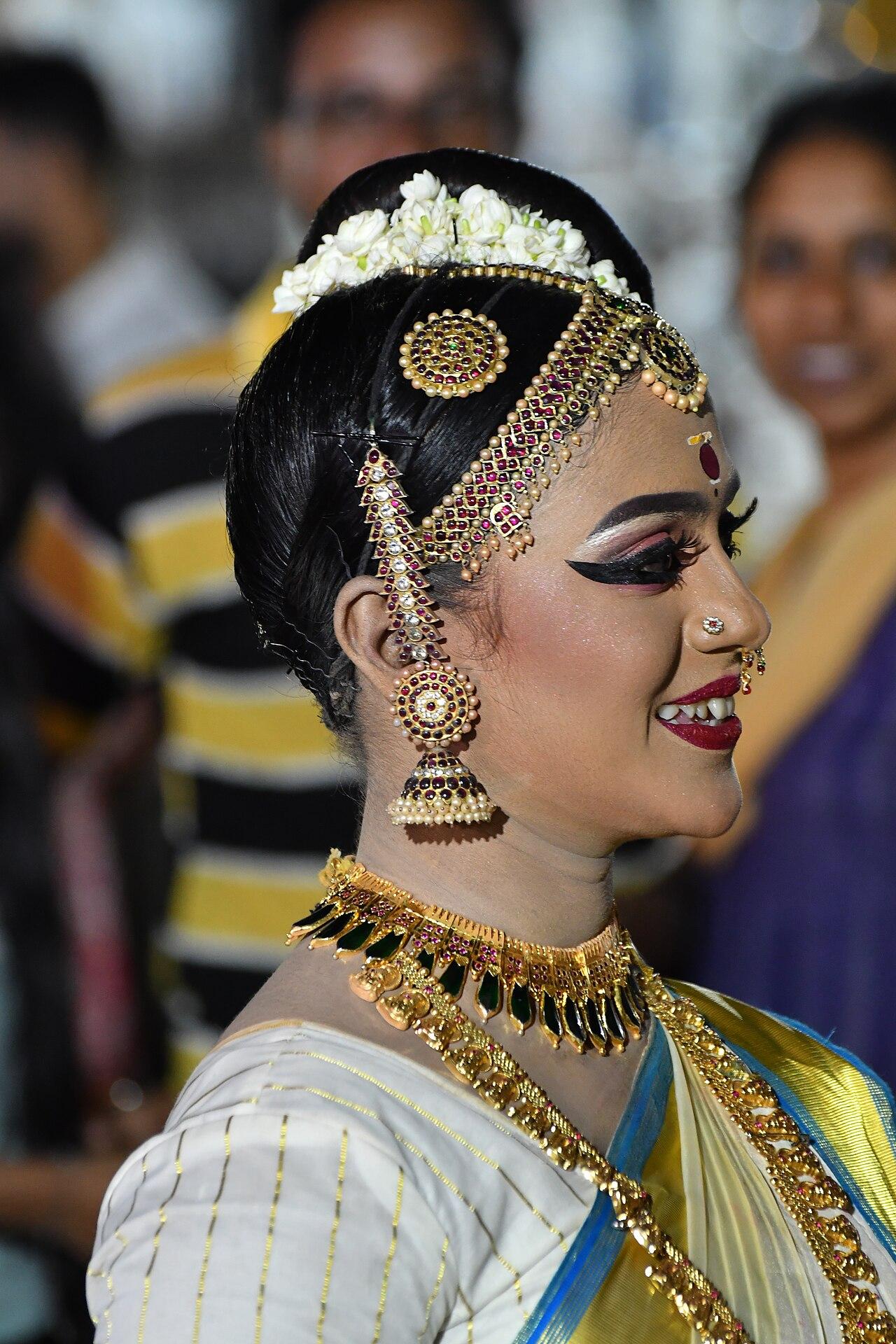
Mohiniyattam
Kerala
Kerala
Mohiniyattam
The swaying dance of the enchantress
Origin
Named for Mohini, Vishnu's enchantress avatar; a solo lasya form.
Technique
Soft, swaying movement with a gentle side-to-side glide.
Music
Sopana and Carnatic ragas, set to slow, lilting talas.
Costume
A white sari with a gold border, gold jewellery, jasmine in the hair.
Signature
The ati bhanga sway — the whole body rippling like a river.
hover to flip
the hands
A language of the hands, formed in three dimensions.
Bharatanatyam tells its stories through hasta mudras — a flag, a peacock, a blooming lotus. The hand here forms eight of them in turn: pick a name to see it again, or move your pointer to turn the hand.
All twenty-eight are in the library, each with its meaning and how it is held. When you are ready, hold one up to your camera and live detection names the gesture it sees.
the lineage
A tradition two thousand years old, learned by repetition.
Every classical form traces back to the Natya Shastra — a single text that set down how the hands, the eyes and the body carry meaning. What changes from one state to the next is only the accent: how the knee bends, how the beat lands, how the face is painted.
Nothing here is trying to replace the teacher. A camera can tell you your elbow is a hand’s-breadth out of place at eleven at night, when there is no one else in the room to say so. That is the whole claim.
what this is
A camera, a master to follow, and nothing leaving the device.
NrityaVaani pairs two things that have always belonged together: the classical forms of India, and the discipline of matching a teacher. The tracking is Google MediaPipe running in your browser tab; the correction is a set of geometric rules over the points it returns.
Both halves matter. A model that only returns a label can tell a student they are wrong but not how. Because the rules are geometry rather than a black box, the engine can name the joint or finger at fault — and because inference is on-device, no frame of video is ever uploaded.
hasta mudras documented
tracked landmarks
uploaded to a server
where inference runs
the forms
The classical forms. One place to learn them.
The classical dances of India share a single root — the Natya Shastra — and a single idea: meaning carried by the hands, the eyes and the body. These are the forms.
01 Bharatanatyam
Tamil NaduThe temple dance of Tamil Nadu
The oldest classical tradition, sculpted into temple walls and codified in the Natya Shastra — a fixed torso, bent knees, and a precise language of hand, eye and face.
02 Kathak
Uttar Pradesh
The storytellers' dance of the north
03 Kathakali
Kerala
Kerala's painted dance-drama
04 Kuchipudi
Andhra Pradesh
Quick-footed dance-drama of Andhra
05 Odissi
Odisha
The temple dance of the tribhangi
06 Manipuri
Manipur
The lyrical Raas Leela of Manipur
07 Mohiniyattam
Kerala
The swaying dance of the enchantress
how it works
Three steps, and you can inspect every one.
- 01
Watch
Choose a dance and watch a master break a pose or a phrase into its parts — where the weight sits, what the hands say, what the eyes do.
The lessons - 02
Mirror
Open your camera and match the pose. MediaPipe tracks your hands and body inside the tab, so nothing is sent anywhere.
Live detection - 03
Correct
A failed pose names the joint or finger that failed it, so the feedback is 'raise your elbow' rather than a confidence score.
How correction is derived
plans
Free to practise. Paid to be coached.
Recognition and the full library are free and always will be — they run on your own machine, so they cost nothing to serve. The paid tiers buy stored history, deeper per-joint analysis and, for academies, multi-student tracking.
Sadhaka
For learning the vocabulary.
- Real-time pose & mudra recognition
- The full pose and mudra library
- 5 minutes of practice a day
- Community support
Yoddha
most chosenFor daily practice with a record of it.
- Unlimited practice time
- Per-joint corrective feedback
- Session history and progress
- Custom practice goals
- Priority support
Guru
For an academy running classes.
- Everything in Yoddha
- Multi-student dashboard
- Per-student progress tracking
- Custom pose sets
- Integration support
Pick a form, open the camera, and match your first pose.
Classical dance·Pose detection·On-device inference·India